
- Main Haridwar Road, Rishikesh, Uttarakhand, India, 249201
- Everyday 9 AM - 5 PM.
- ← Blogs
- Finding the Best Ayurvedic Arthritis Treatment Center in India
September 14, 2026
Finding the Best Ayurvedic Arthritis Treatment Center in India
Arthritis is a common condition that can affect joints, movement, comfort, and everyday activities. People experiencing persistent joint pain, stiffness, swelling, or reduced mobility often look for treatment approaches that address their individual needs while supporting long-term joint health. Ayurveda, India's traditional system of medicine, has gained attention as a complementary approach for people seeking personalized care for different types of arthritis.
Finding the best Ayurvedic arthritis treatment in India requires more than simply choosing a clinic with attractive claims. A good treatment center should offer qualified Ayurvedic practitioners, appropriate assessment, individualized therapies, responsible use of medicines, and guidance regarding diet and lifestyle. Understanding these factors can help patients and families make a more informed decision.
Understanding Arthritis Through an Ayurvedic Perspective
Arthritis is not a single disease. Osteoarthritis, rheumatoid arthritis, gout, and other inflammatory or degenerative joint conditions can have different causes, symptoms, and treatment requirements. Modern medicine provides important diagnostic tools for identifying the underlying condition, while Ayurveda traditionally evaluates an individual's symptoms, constitution, digestion, lifestyle, and other factors before recommending a treatment plan.
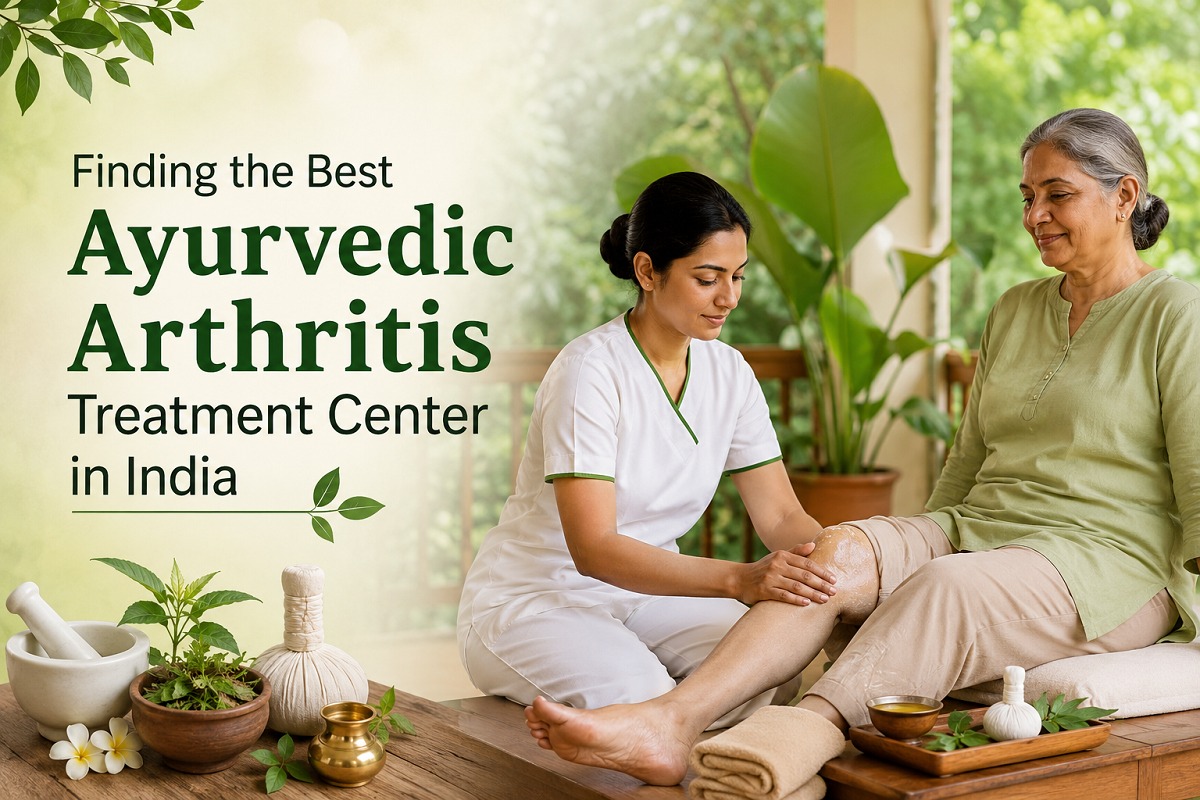
Ayurvedic approaches commonly emphasize balancing the body's functional systems, supporting digestion and metabolism, maintaining healthy routines, and improving overall wellbeing. Therapies such as Abhyanga, Swedana, gentle therapeutic procedures, yoga, and carefully selected herbal preparations may be considered depending on an individual's condition.
However, arthritis treatment should always be personalized. A therapy that may be appropriate for one person may not be suitable for another, particularly when someone has other health conditions or is already taking medication.
What Makes the Best Ayurvedic Arthritis Treatment Center Different?
When searching for the best Ayurvedic arthritis treatment, patients should first examine the qualifications and experience of the practitioners. A reputable center should have appropriately qualified Ayurvedic doctors who conduct a proper consultation rather than recommending the same treatment to everyone.
The best Ayurvedic doctor for Arthritis should take time to understand the patient's symptoms, medical history, previous treatments, lifestyle, and diagnostic reports where relevant. A thorough consultation can help determine whether Ayurvedic care is appropriate and which therapies may be suitable.
A trustworthy center should also communicate clearly about what Ayurveda can and cannot achieve. Arthritis can be a long-term condition, and responsible healthcare providers should avoid promising guaranteed cures or immediate results. Instead, treatment goals may include supporting mobility, managing discomfort, improving daily functioning, and promoting overall quality of life.
Choosing the Right Treatment for Osteoarthritis
Osteoarthritis is generally associated with gradual changes in the joints and is commonly seen in areas such as the knees, hips, hands, and spine. People with osteoarthritis may experience pain during movement, stiffness, or difficulty performing certain activities.
Individuals searching for the best Ayurvedic osteoarthritis treatment in India should look for centers that provide individualized care rather than relying solely on general herbal remedies. Ayurvedic practitioners may consider therapies designed to support joint comfort and mobility alongside dietary and lifestyle recommendations.
Gentle oil-based therapies, external applications, therapeutic massage, heat-based procedures, yoga, stretching, and appropriate physical activity may form part of a broader wellness plan. The suitability of each approach depends on the individual's condition.
It is also important to understand that osteoarthritis management may benefit from multiple approaches. Maintaining appropriate physical activity, following medical advice, managing weight in a healthy manner, and using physiotherapy when recommended can complement an Ayurvedic wellness program.
Ayurvedic Support for Rheumatoid Arthritis
Rheumatoid arthritis differs from osteoarthritis because it is an autoimmune inflammatory condition. It can cause joint pain, swelling, stiffness, fatigue, and other symptoms. Because uncontrolled inflammation can contribute to joint damage, people with rheumatoid arthritis should receive appropriate medical evaluation and monitoring.
Those looking for the best Ayurvedic Rheumatoid arthritis treatment in India should therefore choose a center that understands the importance of coordinated and responsible care. Ayurveda may be explored as a complementary approach for supporting wellbeing and symptom management, but prescribed rheumatoid arthritis medicines should not be stopped or changed without guidance from the treating medical professional.
An experienced Ayurvedic practitioner may assess digestion, lifestyle, diet, sleep, stress, and individual symptoms before suggesting supportive therapies. The objective should be personalized care rather than a one-size-fits-all treatment.
Understanding Ayurvedic Arthritis Medicines
Another important consideration is the quality and appropriate use of medicines. People searching for best Ayurvedic arthritis medicines in India may encounter a wide variety of herbal formulations online and in the marketplace. However, choosing medicines independently can be problematic because natural products can still have side effects, interactions, or quality concerns.
Ayurvedic medicines should ideally be selected according to an individual's needs and used under appropriate professional supervision. A reliable treatment center should explain the purpose of any recommended formulation, how it should be taken, and whether additional monitoring is necessary.
Patients should also be cautious about products making extraordinary promises such as permanent cures or guaranteed results. Transparency about ingredients, manufacturing standards, dosage, and expected outcomes is an important part of responsible treatment.
The Importance of Personalized Ayurvedic Therapies
One of Ayurveda's distinguishing features is its emphasis on individualized care. Rather than focusing only on a particular joint, an Ayurvedic practitioner may consider the person's overall health, dietary habits, sleep, physical activity, stress, digestion, and daily routine.
A treatment program may include external therapies, dietary guidance, lifestyle changes, yoga, relaxation practices, and prescribed herbal preparations. In some centers, traditional procedures such as Panchakarma may also be recommended for selected individuals.
Panchakarma should not be viewed as a universal solution for arthritis. It involves specific procedures that require appropriate assessment and supervision. A qualified practitioner should determine whether such therapies are suitable based on the individual's health and circumstances.
Questions to Ask Before Choosing a Center
Before selecting an Ayurvedic arthritis treatment center, patients should ask about the qualifications of the doctors, the assessment process, treatment duration, therapies offered, medicine quality, follow-up arrangements, and expected costs. It is also useful to understand whether the center encourages patients to maintain appropriate conventional medical care when necessary.
A professional center should be willing to discuss the treatment plan openly and explain why particular therapies have been recommended. Patients should feel comfortable asking questions and seeking a second medical opinion when appropriate.
Combining Ayurveda With Healthy Lifestyle Practices
Ayurvedic arthritis care is often most useful when considered as part of a broader approach to health. Regular, appropriate movement can help maintain mobility and muscle strength. Depending on the condition, activities such as walking, swimming, stretching, or professionally guided exercises may be beneficial.
A balanced diet, adequate sleep, stress management, and maintaining a healthy daily routine can also contribute to overall wellbeing. Patients should avoid extreme diets or excessive exercise in an attempt to control arthritis symptoms.
Making an Informed Decision
Finding the best Ayurvedic arthritis treatment in India is ultimately about identifying a center that combines traditional knowledge with responsible healthcare practices. Qualified doctors, individualized assessments, appropriate therapies, quality-controlled medicines, honest communication, and continuing follow-up are important factors to consider.
Whether someone is exploring care for osteoarthritis, rheumatoid arthritis, or another form of joint discomfort, the right treatment center should focus on the individual rather than making blanket promises. Ayurveda can be explored as part of a comprehensive approach to joint health, particularly when treatment decisions are made with appropriate professional guidance.
For anyone considering Ayurvedic care, taking time to research the practitioner, understand the proposed treatment, review available medical information, and discuss existing medicines can make the treatment journey safer and more informed. With realistic expectations and personalized care, Ayurveda may serve as a supportive component of a broader plan aimed at maintaining mobility, comfort, and overall quality of life.