
- Main Haridwar Road, Rishikesh, Uttarakhand, India, 249201
- Everyday 9 AM - 5 PM.
- ← Blogs
- Best Ayurvedic Rheumatoid Arthritis Treatment in India for Better Quality of Life
September 21, 2026
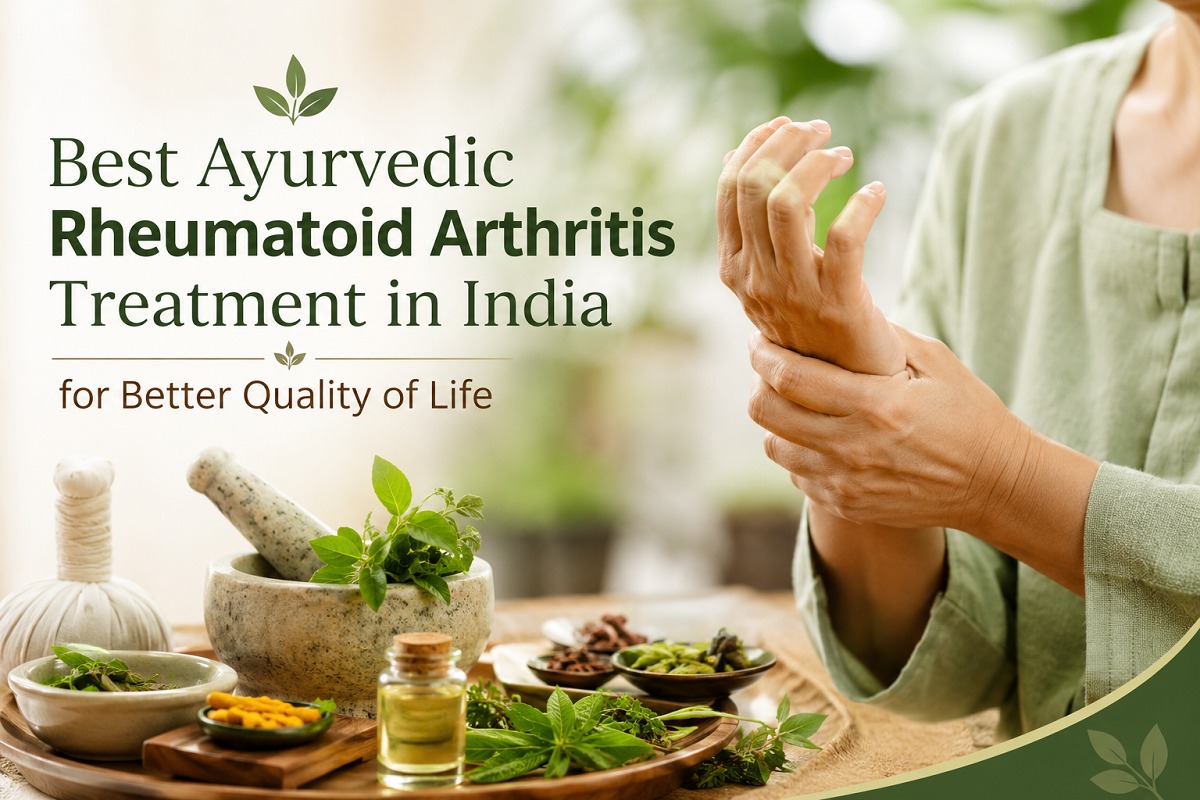
Best Ayurvedic Rheumatoid Arthritis Treatment in India for Better Quality of Life
Rheumatoid arthritis is a chronic autoimmune condition that can affect the joints, causing pain, stiffness, swelling, and difficulty with everyday activities. Unlike ordinary wear-and-tear arthritis, rheumatoid arthritis occurs when the immune system mistakenly attacks healthy tissues around the joints. Because the condition can progress over time, early diagnosis, appropriate medical supervision, and long-term management are important for maintaining mobility and quality of life.
Ayurveda offers a traditional approach that focuses on understanding the individual, supporting overall balance, and combining therapies with appropriate diet and lifestyle practices. For people exploring the best Ayurvedic arthritis treatment in India, it is important to choose a qualified practitioner who can assess the condition carefully and coordinate care responsibly.
Understanding Rheumatoid Arthritis
Rheumatoid arthritis commonly affects the hands, wrists, knees, feet, and other joints. Symptoms may include morning stiffness, joint tenderness, swelling, fatigue, and reduced range of movement. Symptoms can vary considerably from one person to another, and periods of increased symptoms may alternate with periods when the condition is more manageable.
In Ayurveda, joint-related conditions are traditionally considered in relation to factors such as digestion, metabolism, lifestyle, and the balance of doshas. Ayurvedic practitioners may use this broader perspective when developing an individualized wellness plan. However, rheumatoid arthritis is a medically significant autoimmune disease, so Ayurvedic care should not replace diagnosis or disease-modifying treatment prescribed by a qualified medical professional.
Why Consider Ayurveda for Rheumatoid Arthritis?
The best Ayurvedic treatment for Arthritis generally emphasizes an individualized approach rather than relying on one remedy for everyone. Ayurveda may incorporate therapeutic massage, carefully selected herbal preparations, dietary guidance, gentle movement, yoga, relaxation practices, and other traditional therapies according to the person's needs.
One potential advantage of a personalized approach is that it considers the person's daily routine, food habits, activity level, sleep, stress, and general wellbeing alongside joint symptoms. These factors can influence how comfortably a person manages a chronic condition.
Ayurvedic therapies may be used as complementary care to support relaxation, mobility, and general wellbeing. Anyone taking prescription medicines should discuss herbal products and traditional therapies with their healthcare professional because some herbs can interact with medicines or may not be appropriate for certain health conditions.
Choosing the Best Ayurvedic Rheumatoid Arthritis Treatment in India
Finding the best Ayurvedic rheumatoid arthritis treatment in India requires more than simply selecting a clinic based on advertisements or online claims. A reliable treatment provider should begin with an appropriate consultation and understand the patient's medical history, symptoms, previous treatments, current medicines, and diagnostic reports.
A qualified Ayurvedic practitioner can then determine which traditional therapies may be appropriate as supportive care. The treatment plan may change over time depending on symptoms, functional ability, and response to the approach.
It is also valuable to select a center that communicates clearly about realistic treatment goals. Rheumatoid arthritis is a long-term condition, and claims of guaranteed cures or immediate results should be treated cautiously. The primary objective should be better symptom management, preservation of joint function, improved daily comfort, and overall quality of life.
Role of Ayurvedic Therapies
Traditional Ayurvedic treatment may include different external and supportive therapies depending on the individual's constitution and condition. Abhyanga, for example, is a traditional oil massage that may promote relaxation and a sense of physical comfort. Other therapies may be considered by an Ayurvedic practitioner based on the individual's needs.
Some centers also incorporate yoga and gentle movement into their wellness programs. Appropriate movement can help people maintain flexibility and strength, although exercises should be adapted to current symptoms and physical capacity. During periods of significant joint inflammation, strenuous exercise may not be appropriate.
These approaches are among the best Ayurvedic arthritis therapies in India when they are provided responsibly and as part of an individualized care plan rather than presented as a universal cure.
Ayurvedic Medicine and Rheumatoid Arthritis
People searching for the best Ayurvedic medicine for rheumatoid arthritis should understand that there is no single herbal medicine that is suitable for every person. Ayurvedic formulations are traditionally selected according to individual characteristics and therapeutic objectives.
Some commonly discussed Ayurvedic herbs include turmeric, ginger, Boswellia, and Ashwagandha. However, the fact that an herb is traditionally used for joint health does not automatically mean that it is safe or effective for every person with rheumatoid arthritis. Product quality, dosage, interactions, allergies, existing medical conditions, and concurrent medicines all need to be considered.
For this reason, self-prescribing herbal preparations is not recommended. A qualified practitioner should review the person's health history and current treatment before suggesting any Ayurvedic formulation.
Importance of Diet and Lifestyle
Diet and lifestyle can form an important part of a comprehensive rheumatoid arthritis management plan. A balanced diet containing vegetables, fruits, whole grains, pulses, adequate protein, and healthy fats can support general health. Staying adequately hydrated and maintaining a consistent sleep routine may also contribute to wellbeing.
Gentle physical activity can support mobility, while relaxation techniques such as breathing exercises and meditation may help people manage stress. These lifestyle measures should complement, rather than replace, evidence-based medical treatment for rheumatoid arthritis.
Maintaining a healthy routine can also make it easier to identify changes in symptoms. Keeping track of joint discomfort, stiffness, activity levels, and other changes can provide useful information during consultations with healthcare professionals.
Searching for the Best Ayurvedic Doctor for Rheumatoid Arthritis
Choosing the best Ayurvedic doctor for Rheumatoid Arthritis should involve looking at professional qualifications, experience, consultation practices, and willingness to work alongside conventional healthcare when necessary. A responsible practitioner should explain the purpose of recommended therapies and discuss possible limitations or risks.
Patients should also be encouraged to continue appropriate medical monitoring. Rheumatoid arthritis can affect more than the joints in some individuals, making regular medical assessment important. If symptoms suddenly worsen, new symptoms appear, or prescribed medicines cause concerning effects, medical advice should be sought promptly.
A Holistic Path Toward Better Quality of Life
The goal of rheumatoid arthritis care is not simply to address joint discomfort for a short period. Long-term management should focus on helping individuals remain active, maintain independence, and participate in everyday activities as comfortably as possible.
Ayurveda may provide supportive wellness practices that focus on relaxation, personalized routines, diet, movement, and traditional therapies. When integrated thoughtfully with appropriate medical care, these approaches may contribute to a broader strategy for living well with a chronic condition.
The best Ayurvedic arthritis treatment in India is therefore not necessarily the treatment with the most promises. It is an approach built around qualified assessment, individualized care, transparent communication, safety, and realistic expectations.
Conclusion
Rheumatoid arthritis requires ongoing attention, but appropriate management can help many people maintain an active and fulfilling lifestyle. Ayurveda offers a traditional, individualized framework that may be used alongside conventional medical care to support comfort, mobility, relaxation, and overall wellbeing.
Anyone considering the best Ayurvedic rheumatoid arthritis treatment in India should consult qualified professionals before beginning herbal medicines or therapeutic programs. With responsible guidance, appropriate medical monitoring, balanced lifestyle habits, and carefully selected best Ayurvedic arthritis therapies in India, patients can work toward better day-to-day wellbeing and an improved quality of life.